


METRO
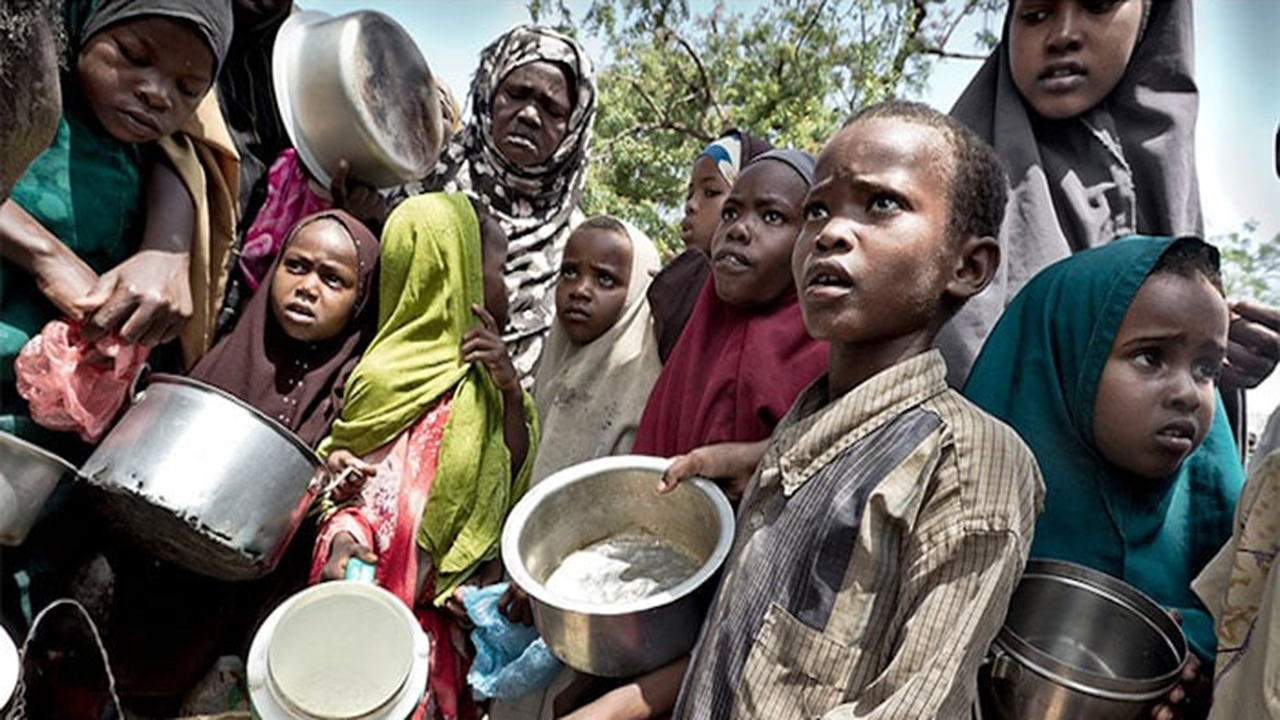
AGRAAGRA: 36.3M FOOD-INSECURE NIGERIANS DEMAND URGENT AGRIBUSINESS INVESTMENT
The growing number of food-insecure Nigerians, estimated at 36.3 million, has renewed calls for urgent investment in agribusiness to strengthen food production, improve supply chains and address rising hunger across the country.
The figure highlights the scale of Nigeria's food security challenge and the need for coordinated interventions that can make food more available and affordable. Agricultural stakeholders have continued to stress that increased investment is necessary to improve productivity, support farmers and build a more resilient food system.
Nigeria's agricultural sector faces several challenges, including limited access to finance, inadequate storage facilities, poor transportation infrastructure, insecurity in farming communities and rising production costs. These difficulties affect farmers' ability to produce and distribute food efficiently.
Greater investment in agribusiness could help address some of these constraints by supporting modern farming methods, food processing, irrigation, mechanisation and improved access to markets.
It could also create employment opportunities for young people and women while encouraging private-sector participation across the agricultural value chain.
Organisations working in agricultural development have emphasised the importance of moving beyond subsistence farming towards commercially viable enterprises capable of supplying local and regional markets.
The food insecurity figure serves as a reminder that improving agricultural production must go hand in hand with strengthening distribution systems and ensuring farmers can operate profitably.
Sustained investment, effective policies and stronger partnerships will be critical to reducing hunger and building a more reliable food system in Nigeria.