


METRO
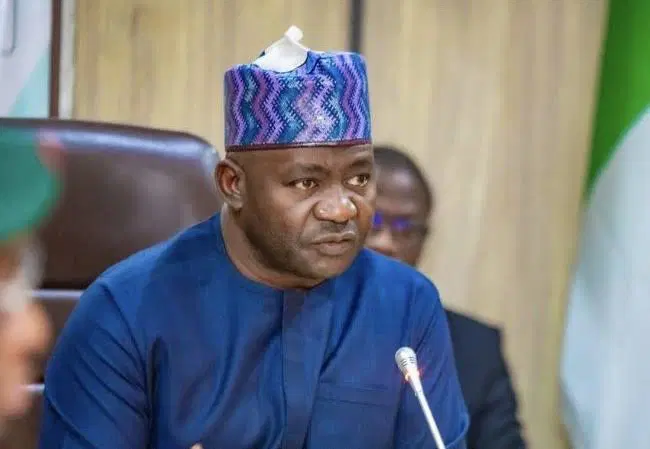
2027: US PROVIDING REAL-TIME INTELLIGENCE TO NIGERIAN MILITARY AGAINST TERRORISTS — MUSA
The Federal Government has disclosed that the United States is providing real-time intelligence support to the Nigerian military to strengthen operations against terrorist groups and other security threats.
The cooperation is expected to improve the military’s ability to identify terrorist movements, track their activities and coordinate targeted operations. Access to timely intelligence is particularly important in tackling armed groups operating across difficult terrain and remote communities.
Defence Minister Christopher Musa made the disclosure during a briefing with journalists on Monday, November 16, 2026. He said the cooperation with Washington had strengthened the military’s ability to locate and strike militant targets through improved surveillance and intelligence gathering.
According to Musa, Nigerian troops had killed several terrorist and bandit leaders during overnight operations in the North-West and North-East. He added that military operations were now being conducted almost daily with enhanced intelligence support.
The minister said Nigeria was also expecting additional military helicopters from the United States and Italy to improve its operational capacity.
He disclosed that security agencies were intensifying preparations ahead of the 2027 general elections, using intelligence-led operations to prevent violence before, during and after the polls.
Musa also revealed that authorities were monitoring the use of Starlink satellite internet services, cryptocurrencies and commercial drones by armed groups. Nigeria is working with US authorities to disrupt the financial networks used by terrorists to fund their activities.
On regional security, he said Nigeria had reached an agreement with Cameroon, Niger and Chad allowing troops to pursue terrorists and bandits up to five kilometres across shared borders.
The defence minister further warned that Islamic State Sahel was attempting to recruit criminal gangs in North-West Nigeria, raising concerns that financially motivated bandit groups could develop into ideologically driven terrorist organisations.
He said the government was determined to disrupt the logistics, recruitment and cross-border networks sustaining armed groups.