


PEOPLE & POLITICS
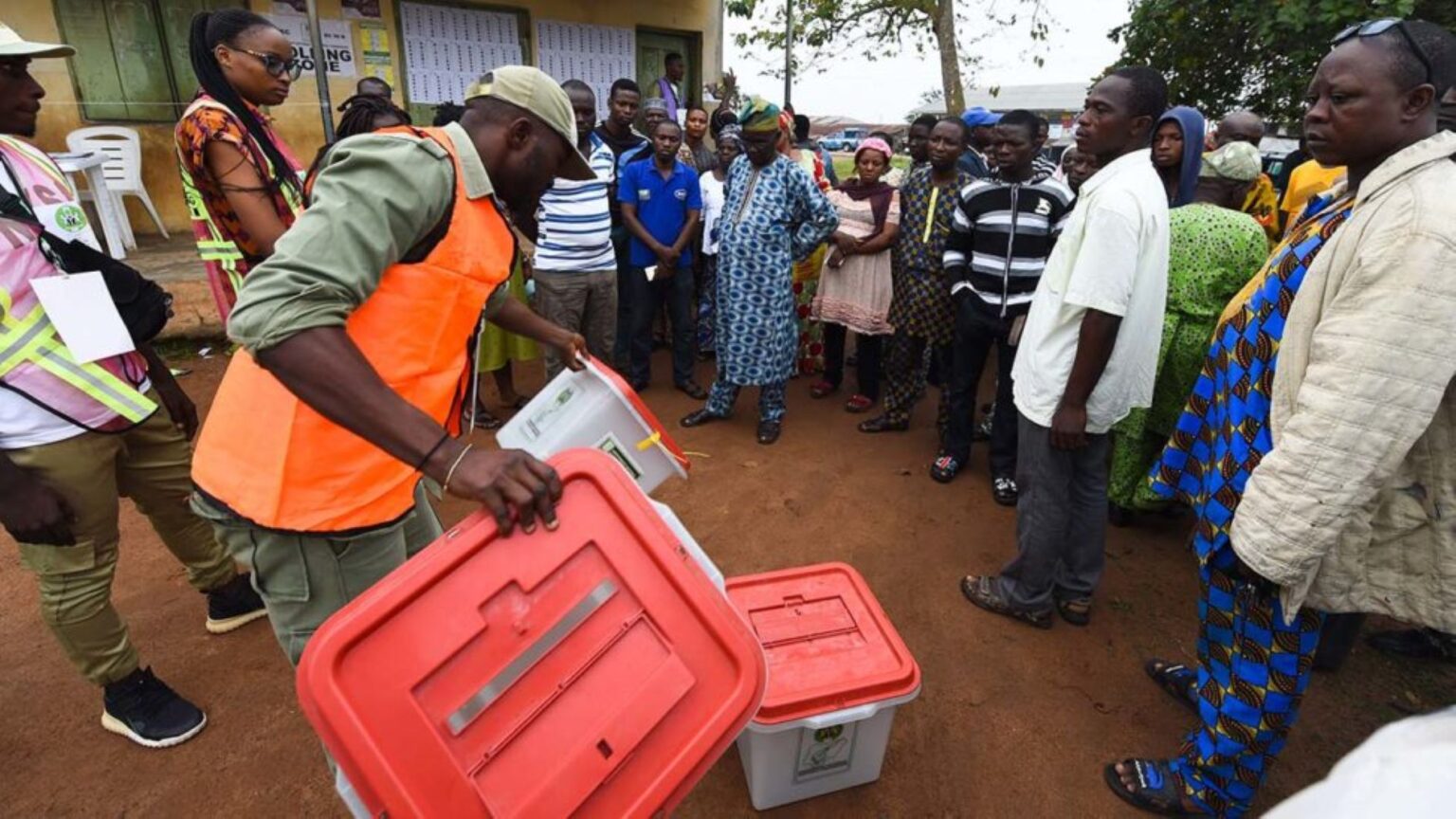
2027: STAKEHOLDERS WARN OF VOTER FRAUD, HATE SPEECH, POLITICAL VIOLENCE
Stakeholders across Nigeria have raised concerns over the credibility and safety of the 2027 general elections, warning that alleged manipulation of the voters' register, artificial intelligence-generated disinformation, hate speech and rising political violence could undermine public confidence in the electoral process.
The concerns emerged during separate engagements in Abuja, where political leaders, electoral experts, civil society organisations and media professionals called for greater accountability, transparency and peaceful participation ahead of the elections.
Former National Commissioner of the Independent National Electoral Commission (INEC), Festus Okoye, blamed politicians and other political actors for attempts to compromise the voters' register, describing the infiltration of electoral records as a recurring challenge.
He recalled that INEC had previously removed millions of duplicate registrations during voter registration exercises, warning that political interests continued to pose a threat to the integrity of the electoral process.
The African Democratic Congress (ADC) Presidential Campaign Council also demanded an independent forensic audit of the national voters' register and the investigation and prosecution of electoral officials implicated in registration irregularities.
The party raised concerns over the 1,608,660 invalid registrations reportedly removed by INEC following verification and public complaints. It also questioned how questionable photographs and multiple registrations were allowed into the system.
Former Minister of Education, Obiageli Ezekwesili, accused insiders within the electoral commission of manufacturing voter records and called on INEC to publish the full results of its November 28 mock election exercise, including details of electronic transmission failures.
She argued that technology alone could not guarantee credible elections without accountability for individuals who undermine electoral processes.
Meanwhile, Chairman of United Nigeria Airlines, Professor Obiora Okonkwo, warned against hate speech, misinformation and irresponsible communication, citing the 1994 Rwandan genocide as an example of how manipulated information could contribute to widespread violence.
Speaking at the African session of the World Public Relations Forum in Abuja, he cautioned that artificial intelligence had made it easier to produce convincing fake images, videos and voices capable of misleading voters and deepening political divisions.
Okonkwo urged governments, media organisations and educational institutions to strengthen information and media literacy, particularly ahead of the 2027 elections.
Similarly, the Supreme Council for Shari'ah in Nigeria called on politicians and their supporters to avoid religious incitement, ethnic profiling, intimidation and violence, insisting that no political ambition was worth the life of any Nigerian.
The council urged security agencies to remain impartial and professional while protecting voters and ensuring peaceful campaigns.
Senator Ali Ndume also expressed concern over increasing political violence, calling for early intervention by security agencies to prevent further escalation.
He advocated the prosecution of individuals who finance or organise attacks on political opponents, arguing that responsibility should extend beyond those who physically carry out the violence.
Ndume also proposed special courts to handle electoral violence cases, expressing concern that delays in the justice system could allow perpetrators to escape accountability.
Other stakeholders, including former Guardian Editor-in-Chief Martins Oloja and Executive Director of the Kukah Centre, Reverend Father Atta Barkindo, identified weak citizenship, political impunity and declining public trust as major challenges confronting Nigeria's democracy.
They urged Nigerians to demand accountability from political leaders and electoral institutions while promoting responsible public communication.
The Yoruba Ronu Leadership Forum also called on INEC to consider adopting the Option A4 voting system, arguing that it could help restore confidence in the electoral process.
The stakeholders warned that without urgent reforms, stronger electoral safeguards and responsible political conduct, voter fraud, misinformation and violence could threaten the credibility of the 2027 general elections.