


PEOPLE & POLITICS
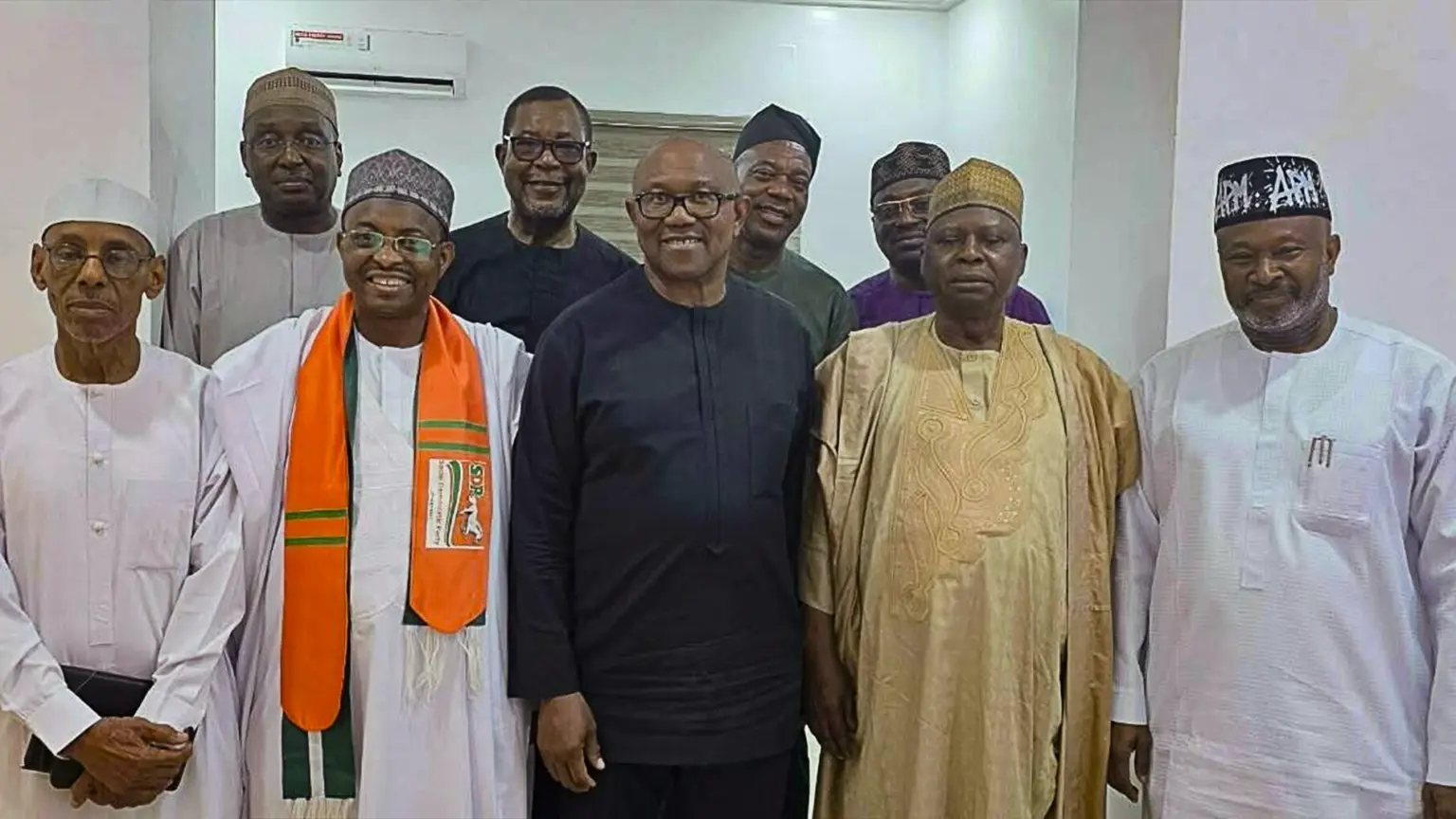
2027: SIX OPPOSITION PARTIES BEGIN TALKS WITH PRESIDENTIAL CANDIDATES
Six opposition political parties in Nigeria have begun consultations with their presidential candidates as efforts intensify to build a united political front ahead of the 2027 general elections.
The discussions involve the African Democratic Congress (ADC), Allied Peoples Movement (APM), Nigeria Democratic Congress (NDC), Social Democratic Party (SDP), Peoples Democratic Party (PDP) and Peoples Redemption Party (PRP).
The consultations are part of efforts to implement resolutions reached at the G100 Opposition Summit, which called for stronger cooperation among opposition parties to challenge the ruling All Progressives Congress (APC).
According to Salihu Lukman, who issued a statement on behalf of the coalition, the meetings involved former Vice-President Atiku Abubakar, Oyo State Governor Seyi Makinde, former Anambra State Governor Peter Obi, Prince Adewole Adebayo and former Cross River State Governor Donald Duke.
The engagements, which took place over two weeks, focused on identifying areas of common interest, strengthening political cooperation and developing a coordinated strategy ahead of the elections.
A major issue under consideration is the possibility of presenting a common opposition presidential candidate to challenge President Bola Tinubu in 2027.
However, the parties have yet to announce an agreement on a consensus candidate or the political platform that would lead any proposed alliance.
The coalition faces several challenges, including competing presidential ambitions, disagreements over power rotation and concerns about the structure of a possible merger.
Lukman said the consultations were ongoing, adding that further meetings would help build confidence and establish a framework for cooperation.
The development signals renewed efforts by opposition leaders to overcome political differences and prevent fragmentation ahead of the next presidential election.
Whether the discussions will produce a lasting alliance remains uncertain, but the outcome could significantly influence Nigeria's political landscape in 2027.